

Back
Collection15 articles
AI Careers, Salary & Resume
Real salary data, career paths, resume tips, and job-hunting strategies for AI roles in 2026.
Curated Articles & Updates


Corporate AI Training Cost in India: 2026 Pricing
July 28, 2026
AI Jobs in India Salary (2026): Complete Pay Guide
March 15, 2026
Prompt Engineering Salary 2026: US, India, Freshers Pay Guide
February 27, 2026
How to Become a Product Manager in 2026
February 10, 2026
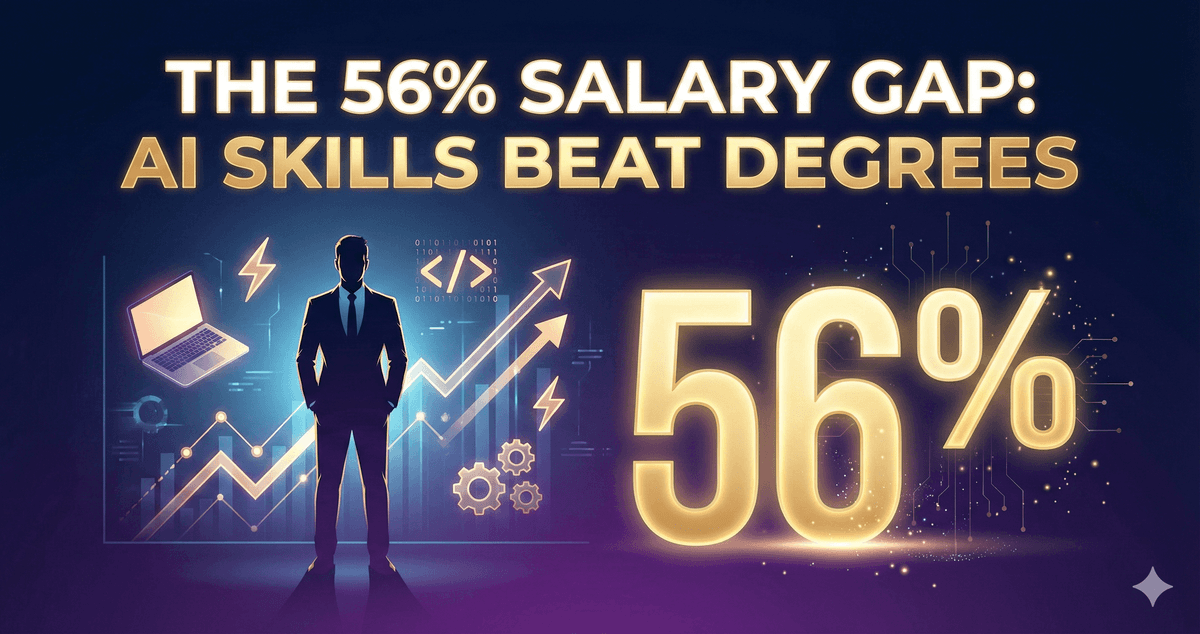
56% Salary Gap: AI Skills vs Degrees in 2025 (India Guide)
December 11, 2025
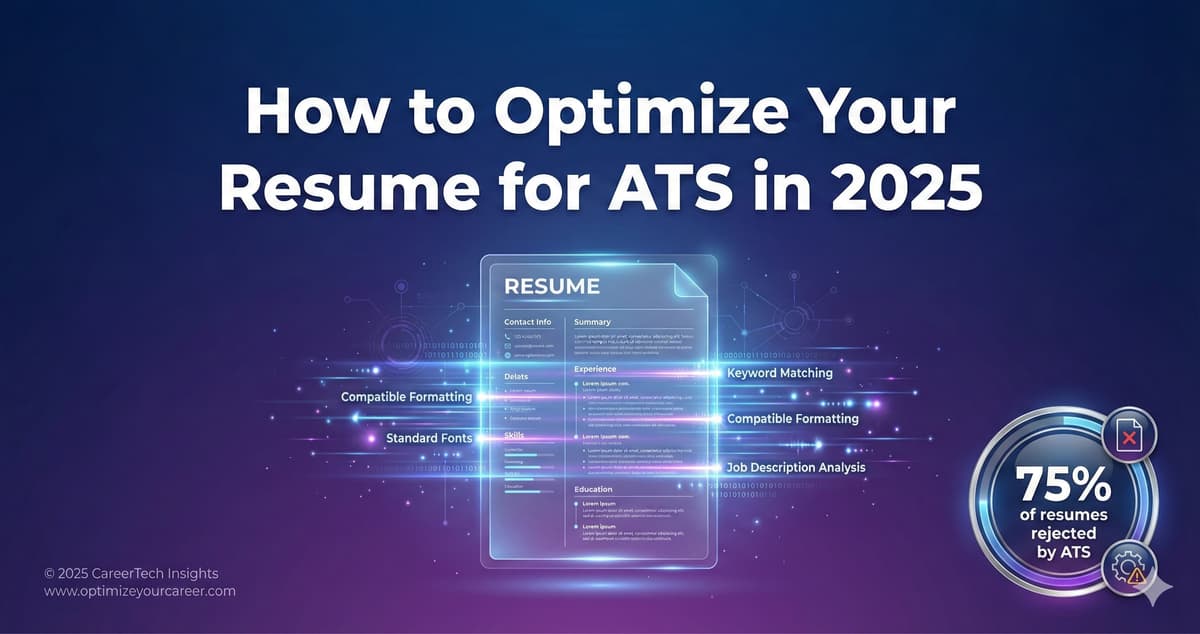
Beat ATS: Resume Optimization Tips That Work (2025)
December 04, 2025
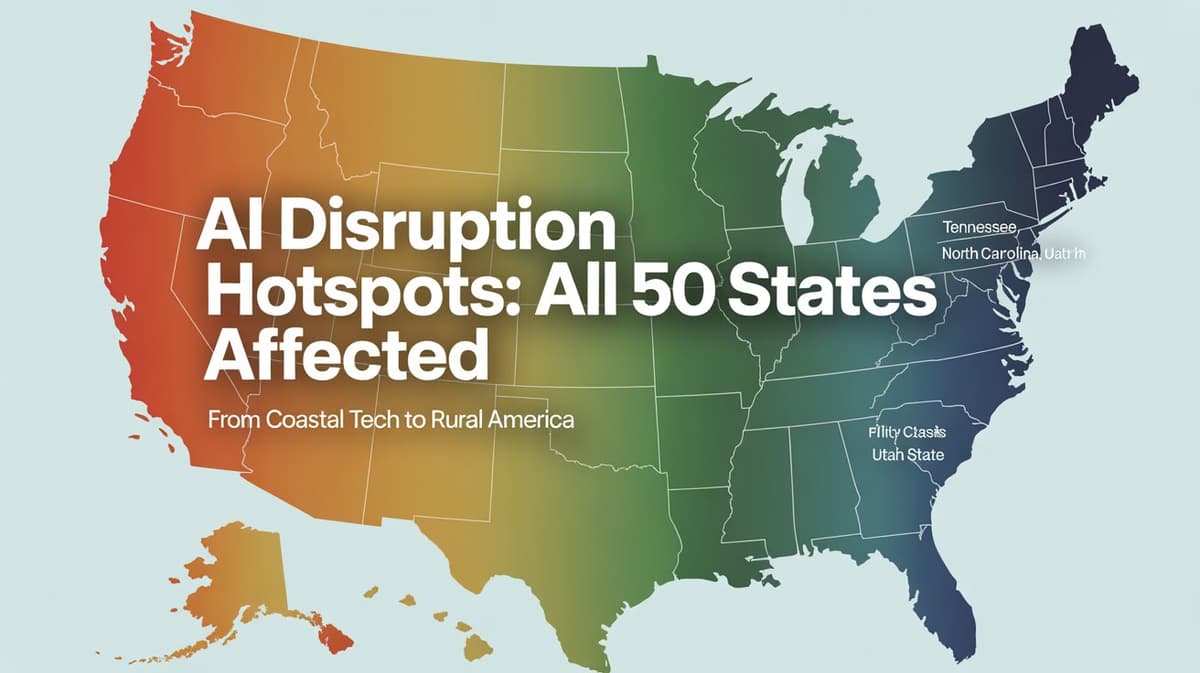
MIT Study: AI Threatens 11.7% of U.S. Jobs (2025)
November 28, 2025
Beat ATS: Why 90% of Resumes Fail & How to Fix Yours
November 12, 2025
Beat ATS Systems: Why 75% of Resumes Get Rejected
November 05, 2025
How to Use AI for Job Hunting: Resume Optimization, Portfolio, and Interview Prep
September 24, 2025

Could AI Replace You at Work?
September 09, 2025

Why AI Can’t Replace Humans at Work
January 24, 2025
The AI Job Market in 2026
The AI job market in 2026 is simultaneously the most competitive and the most opportunity-rich it has ever been. Demand for AI engineers, ML researchers, AI product managers, and AI-savvy professionals in every function has outpaced supply for three consecutive years. At the same time, AI tools are raising the bar for what a single person can accomplish — making the difference between AI-fluent and AI-naive candidates larger than ever. This collection provides the honest data and practical guides you need to navigate the AI job market in 2026.
AI Salary Benchmarks: What the Data Says
AI-related roles command significant salary premiums in 2026. In the US, senior AI/ML engineers at frontier labs (Anthropic, OpenAI, Google DeepMind) earn $300K-$700K in total compensation. At mid-stage startups, senior AI engineers earn $200K-$350K. At enterprise companies, the range is $160K-$250K for senior roles. In India, senior AI engineers at Indian product companies earn ₹40-80 LPA; at MNC tech centres, ₹60-120 LPA; and the AI skill premium is documented at 56% above equivalent non-AI technical roles.
The Skills That Actually Matter for AI Jobs
Technical AI skills: Python programming, familiarity with major LLM APIs (Anthropic, OpenAI, Google), RAG implementation, agent frameworks (LangChain, LangGraph, CrewAI), MLOps basics, and prompt engineering. AI-adjacent skills critical for non-engineering roles: prompt engineering and workflow design, AI evaluation and quality assessment, AI product specification, and the ability to identify where AI can be applied in a business context.
Getting Your Resume Past ATS in 2026
Most AI job applications are screened by ATS before a human sees them. The core principles for AI job resumes: use the exact skill keywords from the job description (ATS uses exact matching), quantify your AI projects with real metrics (number of users, latency improvement, cost savings), and use a simple single-column format that ATS parsers handle reliably.
Frequently Asked Questions
What are the most in-demand AI jobs in 2026?
In 2026, the most in-demand AI roles are: AI/ML Engineer (building AI products and infrastructure), AI Product Manager (defining AI features and measuring their impact), Prompt Engineer / AI Workflow Designer (building effective prompting systems and AI workflows), MLOps Engineer (deploying and monitoring AI in production), and AI Data Engineer (building the data pipelines that feed AI systems). All have significant salary premiums over equivalent non-AI roles.
What is the salary for AI jobs in 2026 (US and India)?
In the US: AI/ML engineers at frontier labs earn $300K-$700K total comp; at mid-stage startups, $200K-$350K; at enterprise, $160K-$250K. In India: senior AI engineers at product companies earn ₹40-80 LPA; at MNC tech centres, ₹60-120 LPA. The AI skill premium in India is documented at 56% above equivalent non-AI technical roles.
How do I optimize my resume for AI job applications and ATS systems?
Use exact keywords from the job description (ATS systems do exact matching, not semantic search). Quantify AI projects with real numbers: model accuracy, latency improvement, user count, cost reduction. Use a clean single-column format — ATS parsers struggle with tables and multi-column layouts. Include a dedicated 'Skills' section listing specific AI tools and frameworks.
What AI skills do I need for a non-engineering AI role?
The most important skills for non-technical AI roles in 2026 are: prompt engineering and workflow design, AI evaluation and quality assessment, understanding of AI capabilities and limitations, basic Python scripting (enough to prototype AI tools), and familiarity with major AI tools (ChatGPT, Claude, Perplexity, GitHub Copilot). You do not need to be able to train models.
How do I break into AI without a CS degree or ML background?
Build a portfolio of AI projects you can talk through in detail. Contribute to open-source AI projects on GitHub. Write about AI topics on LinkedIn or a personal blog — thought leadership accelerates your job search. Get the relevant certifications (DeepLearning.AI, Google Cloud Professional ML Engineer). Network in AI communities — many AI jobs at startups are filled through network referrals, not job boards.
How do AI salaries at startups compare to frontier labs vs enterprises?
Salaries at AI frontier labs (Anthropic, OpenAI, Google DeepMind, xAI) are the highest in the industry, with significant equity upside but also the highest competition for roles. Salaries at AI startups (Series A-C) are slightly lower in cash but offer meaningful equity and faster career growth. Enterprise AI roles have the most stable employment but typically lower total comp.
Recommended
View all%25203%2520(2).png&w=96&q=75)
AI Agent Frameworks
68 articles
AI Applications & Use Cases
77 articles
AI Automation & No-Code
24 articles
AI Coding Tools
57 articles
AI Image & Video Generation
39 articlesWaitlist Open
Agentic AI Launchpad
Will you be among the 1% who build AI Agents, or the 99% who just use them? Master AI app development.
- 6 Weeks Live Mentorship
- Build & Deploy 5+ Apps
- No Coding Required

Subscribe to updates
Get the latest insights directly in your inbox.